Walking the Great Wall: Difficulty, Fitness and What to Expect
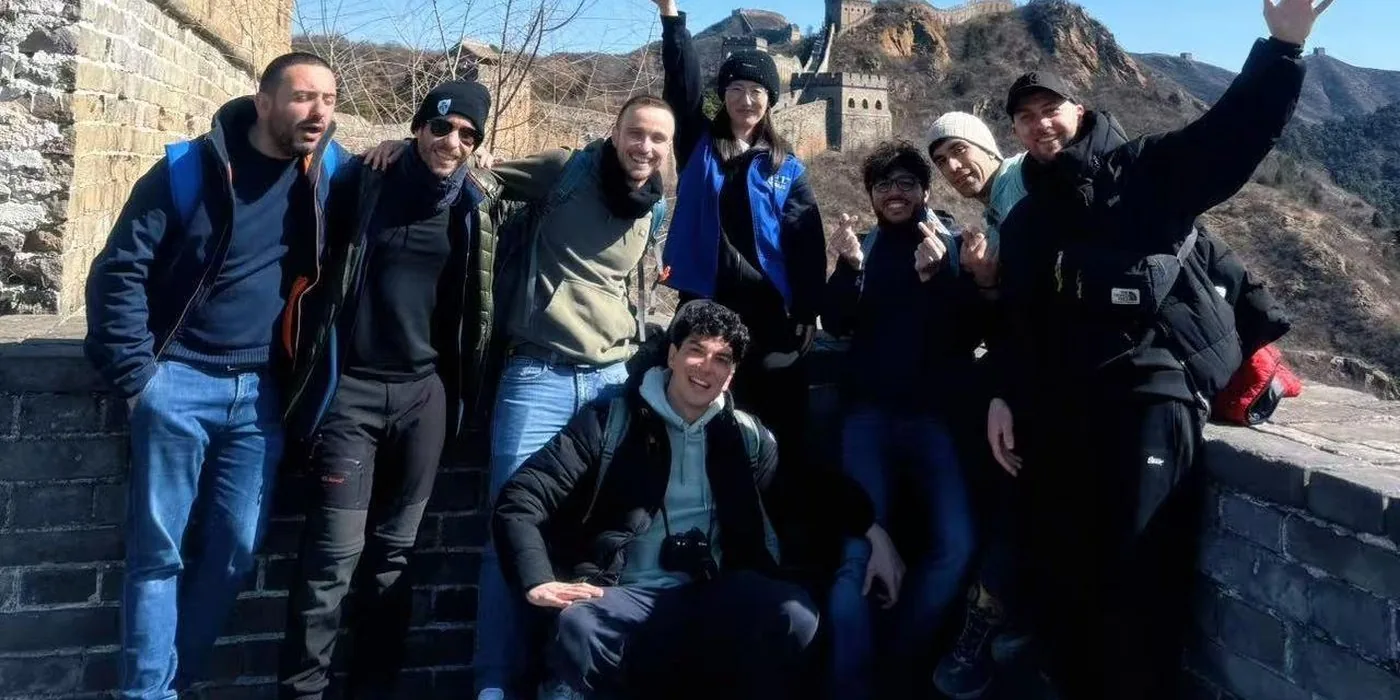
Why it is steep
The wall follows ridge lines and peaks in the mountains northeast of Beijing. It climbs up valley sides to command views and control passes. The original builders (Ming dynasty, 14th–17th century) did not optimize for comfort; they optimized for defensibility. Modern restorers have kept the original steepness. Long runs of the wall are solid stone steps, some 30 cm high; your knees feel it after 3 hours. But it is not rock-climbing steep; it is hill-walk steep. Most people who are used to hiking find it rewarding rather than punishing. If you are sedentary, you will feel tired; if you are used to stairs, you will notice it but manage it.
Fitness and who should prepare
You do not need training. If you can walk up stairs for 30 minutes without needing to sit, you can walk the wall. Bring trekking poles (many people do); they take 20–30 per cent off your knee load on the descent. If you have significant knee or hip issues, use the cable car descent or the chairlift. If you are over 60 and the toboggan calls to you, know the age limit is 60; you may find the chairlift is your down-method instead (same cost, no age limit). The wall is not a fitness test; it is a walk. You set the pace.
What to bring and what to wear
Footwear is everything. Sturdy trainers (athletic shoes with ankle support) or proper hiking boots, absolutely not flat shoes or street sneakers. The uneven stones will twist an unsupported ankle in seconds. Waterproof is nice but less critical than grip and support. Water and electrolytes: bring at least 2 litres per person. The wall has no vendors; the village at the base sells drinks, but you will be thirsty mid-walk. Sunscreen and hat: the wall has no shade. The sun reflects off stone. Sunburn is the most common complaint from reviewers. SPF 50+, reapply after an hour. Layers: bring a lightweight windbreaker or long-sleeve shirt. The top of the wall is windy; you will be warm walking uphill and cool at the top. In winter, thermals are essential. No dress code: shorts are completely fine in summer. Your legs will tan unevenly if you are not used to sun, but no one cares. Avoid very short shorts because your legs will scrape on the stone on steep descents. Trekking poles: optional, but they take real load off your knees, especially downhill. Many reviewers recommend them if you have any joint concerns.
The descent: cable car, chairlift or toboggan
You have three ways down: the cable car (gondola, enclosed, smooth, takes 15 minutes), the open chairlift (no protection, windier, same time), or the toboggan (sled ride down the mountain, thrilling but closes on rainy days). Cable car and chairlift are the same price. The toboggan is popular in reviews ("definitely a hit" one reviewer says) but has an age limit of 60. Rain closes it (you use the chairlift instead). Most people do cable car up and toboggan down, or cable car both ways. The important thing: you do not have to walk down. If your knees are protesting at the top, take the lift. Reviewers consistently praise this option.
What a typical walk feels like
You arrive at the base around 9:30–10:00 a.m. (depending on your tour). You queue for the cable car (15–30 minutes, depending on crowds). The cable car takes 15 minutes up. You step off at a small platform, and the wall stretches left and right, steps both directions, towers in the distance. The first 30 minutes feel steep but manageable; you are warming up. By 45 minutes, you find a rhythm: step, breathe, look at the view. By two hours, your legs remind you of the 500-metre climb, and a cool spot at a watchtower is welcome. Most people sit for 30 minutes somewhere in the middle of their walk, eat a snack, and enjoy the silence or the company. By three hours, if you have walked 1.5–2 km, you have seen enough — turn back or push to the next tower. Descend to the base, queue for the toboggan or cable car (15–30 minutes), and 15 minutes later you are at the base having lunch. Many tours include a village buffet; it is casual and efficient.
Walking the whole Great Wall (thru-hiking)
"Walking the whole Great Wall" is a phrase you will hear, usually from people who have not done it. A single day trip is not "walking the whole Great Wall." You are walking one restored section of one segment. The entire Great Wall is 21,196 km of fortifications built over more than a thousand years. Thru-hikes of the main line take over a year, require permits, and are a professional undertaking. What you are doing on a day trip is hiking a beautiful section. That is enough. That is the point.
Bring hiking shoes (not flat shoes), 2 litres of water, sunscreen, and a hat. The cable car down means you are never stuck if your knees give out. A typical person walks 2–3 hours and feels satisfied. Do not overthink fitness; go and see.
Frequently asked questions
Is the Great Wall hard to walk?
Moderately strenuous. Long runs of steep uneven stone steps, some knee-height. Expect 500–800 metres elevation over 5.4 km. If you are used to hiking, you will be fine. If you are sedentary, you will feel it after 2–3 hours. The cable car down means you have an escape hatch if your knees protest.
Do I need special fitness to walk the wall?
No. If you can walk up stairs for 30 minutes, you can do it. Trekking poles help your knees on the descent. People in their 60s, 70s and beyond do it every day. You set the pace; this is not a race.
What shoes should I wear?
Sturdy trainers or hiking boots with ankle support. Not flat shoes, not street sneakers, not sandals. The uneven stone will twist an unprotected ankle in seconds. Grip and support matter more than waterproof, though waterproof is nice.
Can I do the wall if I have knee problems?
Yes. Use the cable car descent. Or use trekking poles (they reduce knee load by 20–30 per cent). If the descent is too much, the toboggan (sled ride down) is an alternative but has an age limit of 60. Many older and less-mobile visitors do one-way cable car trips: cable car up, walk downhill slowly, or cable car down if walking is too much.